We think buying an all-in-one solution is fundamentally a bad idea. Let me tell you why, especially if you’re trying to build a business that can scale.
I recently received an email from a customer that said:
“We have decided to switch over to [another software platform] for our transaction coordinator needs. They also provide [this, this, this, this, and this].”
That sentence exposes the problem perfectly, and why I believe they’ll eventually be back when the software they’re moving to fails to provide the transaction experience their team actually needs.
The decision is no longer being made around which platform is best for transaction coordination.
It is being made around how many additional functions can be bundled into the same product.
And that is exactly where the problem starts.
The Problem With All-in-One
When you put your CRM, transaction management, reporting, accounting, marketing, recruiting, and other critical business functions into one platform, you don’t necessarily simplify your technology stack.
You make those functions dependent on each other.
That may feel efficient today.
It may feel convenient today.
But what happens when your business changes?
Imagine your business grows and you outgrow the CRM.
You can’t simply replace the CRM.
The CRM is attached to your transaction management, reporting, marketing, accounting, and everything else you’ve built inside the platform.
Or maybe the CRM is great, but the reporting sucks.
Now what?
Do you move your entire operation because one function no longer meets your needs?
Do you tolerate bad reporting because changing platforms would disrupt the rest of your business?
Do you start bolting additional software onto your all-in-one platform to compensate for the things it doesn’t do particularly well?
That is the trap.
The more of your business you put into one system, the harder that system becomes to replace.
And the harder it becomes to replace, the more likely you are to tolerate mediocre functionality simply because leaving has become too painful.
That’s not scalability.
That’s dependency.
A scalable technology stack should allow you to improve one function of your business without disrupting every other function.
That is why I believe you should build the stack, not buy the bundle.
Make the Need Visible
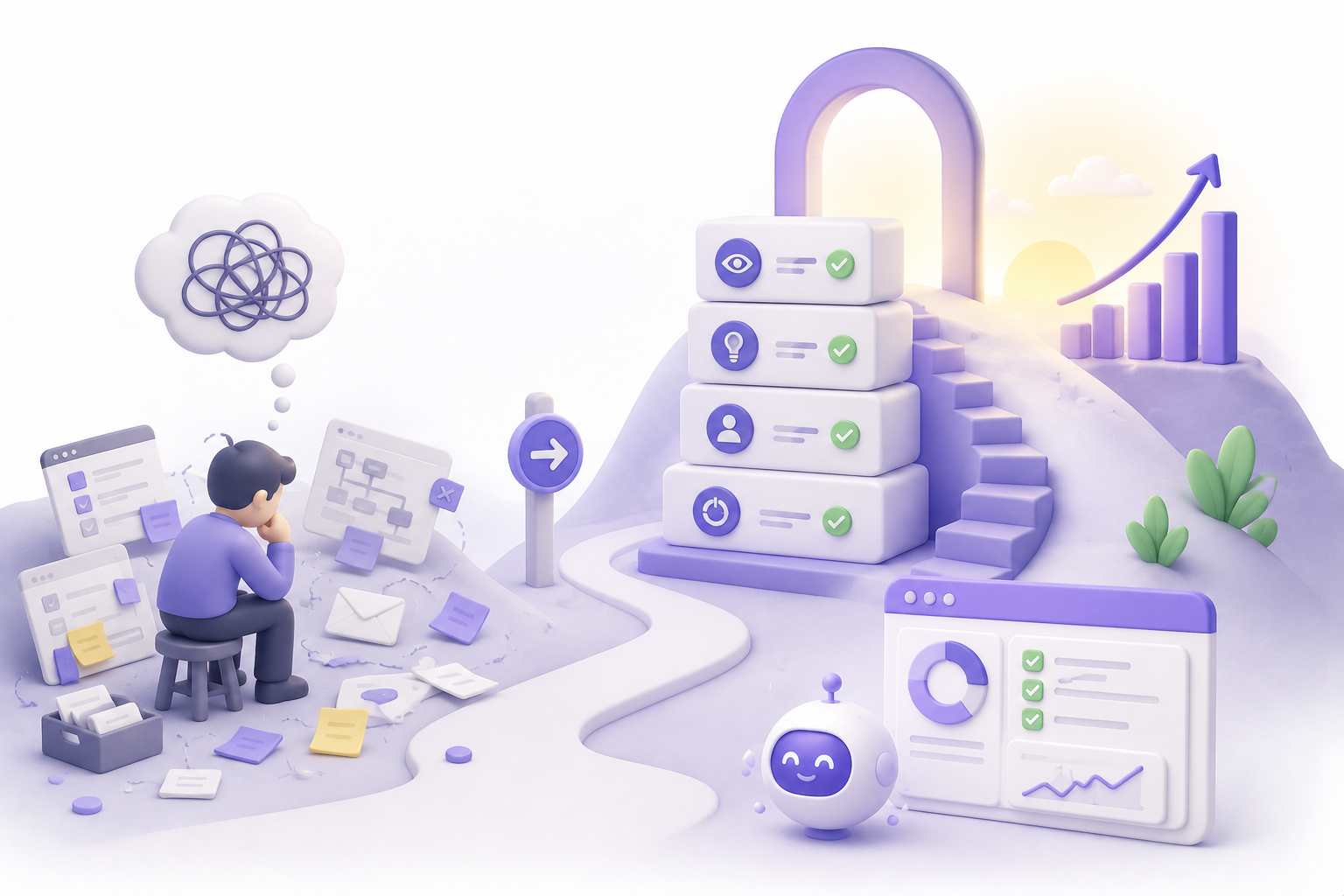
Before you buy software, make the need visible.
What are you actually trying to accomplish?
If you need leads, use a lead-generation platform.
If you need to manage prospects and follow-up, use a great CRM.
If you need to manage transactions, use a transaction-management platform.
If you need reporting, use a reporting platform.
If you need business intelligence, use a BI platform.
If you need accounting, use accounting software.
If you need recruiting, use a recruiting platform.
If you need marketing automation, use a marketing platform.
These are different functions.
They solve different problems.
And as your business grows, each one becomes more important.
Your Business Is a Collection of Functions
Your business is not one thing, it is a collection of functions.
Sales.
Marketing.
Transaction management.
Accounting.
Reporting.
Business intelligence.
Recruiting.
Customer communication.
The mistake is assuming that because these functions need to work together, they all need to live inside the same piece of software.
They do not.
They need to communicate.
That is very different.
Choose Best-in-Class for Each Function
Build your technology stack around the job that needs to be done.
Your CRM should own leads, relationships, and follow-up.
Your transaction platform should own the transaction.
Your accounting system should own the financial truth.
Your reporting and BI platforms should help you understand what is happening across the business.
Then make those systems work together.
Connect them through integrations, APIs, webhooks, or whatever makes sense for your operation.
The goal is not to have fewer software subscriptions.
The goal is to have the right software responsible for the right function.
Build for the Business You Want to Become
This becomes even more important as you scale.
The CRM that works perfectly for you today may not be the CRM you need three years from now.
Fine.
Replace it.
Your reporting needs may become dramatically more sophisticated.
Fine.
Upgrade your reporting platform.
Your accounting requirements may change.
Change the accounting system.
You should be able to improve one part of your business without disrupting every other part.
That is what a healthy technology stack gives you.
If your CRM, transaction management, marketing, reporting, recruiting, and accounting all live inside one giant system, changing one function can become a much bigger problem than it should be.
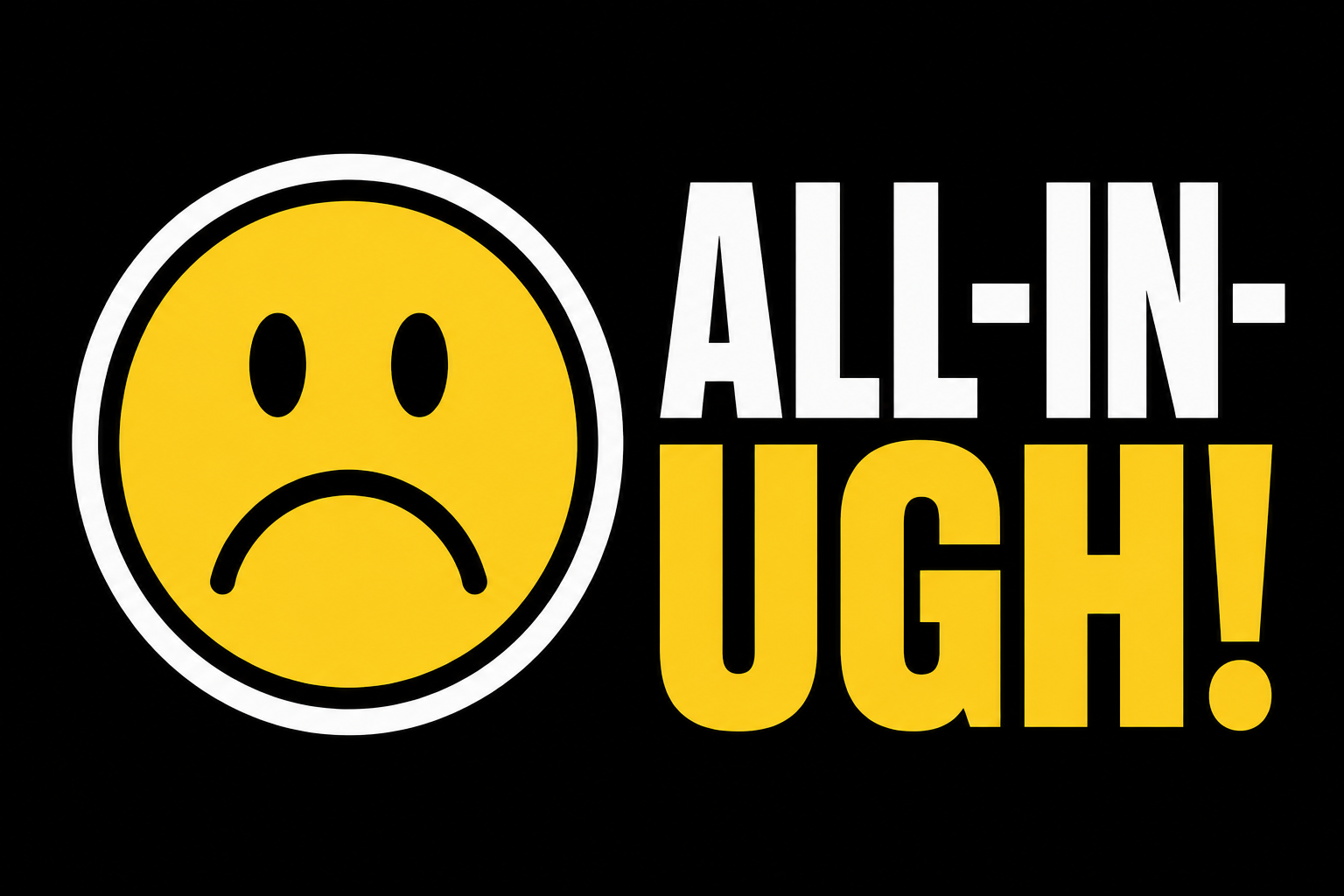
That is where all-in-one starts to become all-in-ugh.
This Is Why Open To Close.AI Has a Boundary
Open To Close.AI models the transaction.
That is our function.
Dates.
Documents.
Tasks.
Emails.
Contacts.
Requests.
Follow-ups.
Responsibilities.
What happened.
What needs to happen.
Who owns it.
What requires attention.
We are not trying to become your CRM.
We are not trying to become your accounting platform.
We are not trying to become your business-intelligence system.
We are not trying to become your recruiting or marketing platform.
We want Open To Close.AI to be exceptionally good at one thing:
Managing the transaction and removing the chaos that comes with it.
Then we want it to work seamlessly with the other best-in-class platforms you choose to run the rest of your business.
Build the Stack, Not the Bundle
If you are trying to build a scalable business, stop asking:
What platform can do the most things?
Start asking:
What function am I trying to improve, and what is the best tool for that job?
Make the need visible.
Choose the best platform for the function.
Connect the stack.
Let each system do what it does best.
Because eventually, all-in-one becomes all-in-ugh.
I’ve seen it too many times, and I’ve experienced it in my own business. If I can help you avoid one mistake, let it be this.